What We Treat and How We Treat It.
Evidenced based care provides the roadmap. We follow well researched practices and collaborate to customize the treatment to reach your goals, and live a life that aligns with what you care about the most.

Obsessive Compulsive Disorder (OCD)
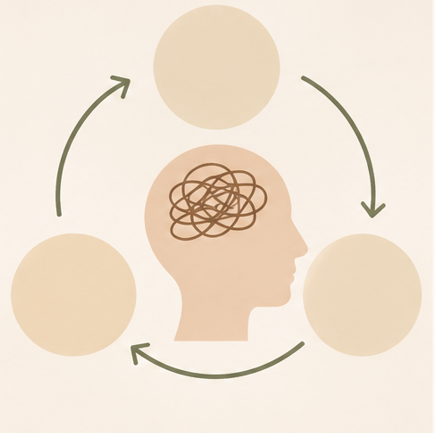
Effective therapy for OCD is not always about trying harder, or talking about it more. We address OCD using proven methods to get you out of the obsessive cycle. Treatment will be customized to you where you will learn skills to get out of the cycle, and manage distress in an effective way using ERP (Exposure and Response Prevention). Though our work you will spend more time moving towards what matters most to you, and less time avoiding distress, doubt, or fear.
Body Focused Repetitive Behaviors (BFRB)
Picking at your skin, biting your nails, or pulling your hair (and more!) can become repetitive and difficult to control behaviors. These behaviors are not simply bad habits or a lack of willpower; they often serve as a way to manage tension, uncomfortable emotions, sensory experiences, or internal urges. As a team, we will develop awareness, and a sustainable plan to manage the urges by applying researches methods from Habit Reversal Training (HRT), customized to you.
Anxiety Disorders
Fear, self-doubt, panic, and avoidance don't have to be your constant companions. Traditional talk therapy isn't always enough to change the patterns that keep anxiety going. We'll map out your unique experience, understand what's maintaining the cycle, and take steps to confront avoidance and build confidence in your ability to navigate discomfort. We don't just talk about change, we practice it. Effective therapy should help you spend less time coping and more time living.
Hoarding
Living with hoarding can make everyday spaces feel overwhelming. Letting go of possessions isn't as simple as decluttering or getting organized; it can involve intense anxiety, indecision, emotional attachment, and fear of making the wrong choice. Together, we'll use evidence-based tools to build decision-making skills, practice tolerating discomfort, and make progress toward a more functional living environment. The goal isn't perfection or an empty home, it's greater freedom, confidence, and the ability to use your space in ways that support your life.
PTSD
Trauma can leave you feeling on edge, disconnected, or constantly on alert, even when the danger has passed. Avoiding memories, feelings, places, or situations connected to trauma may offer temporary relief, but over time, avoidance can start to feel like disconnection. Through Prolonged Exposure (PE), an evidence-based treatment for PTSD, we'll work together to gradually approach difficult memories and previously avoided situations in a safe, structured, and supportive way. The goal isn't to erase your past, but to help you reclaim your present.